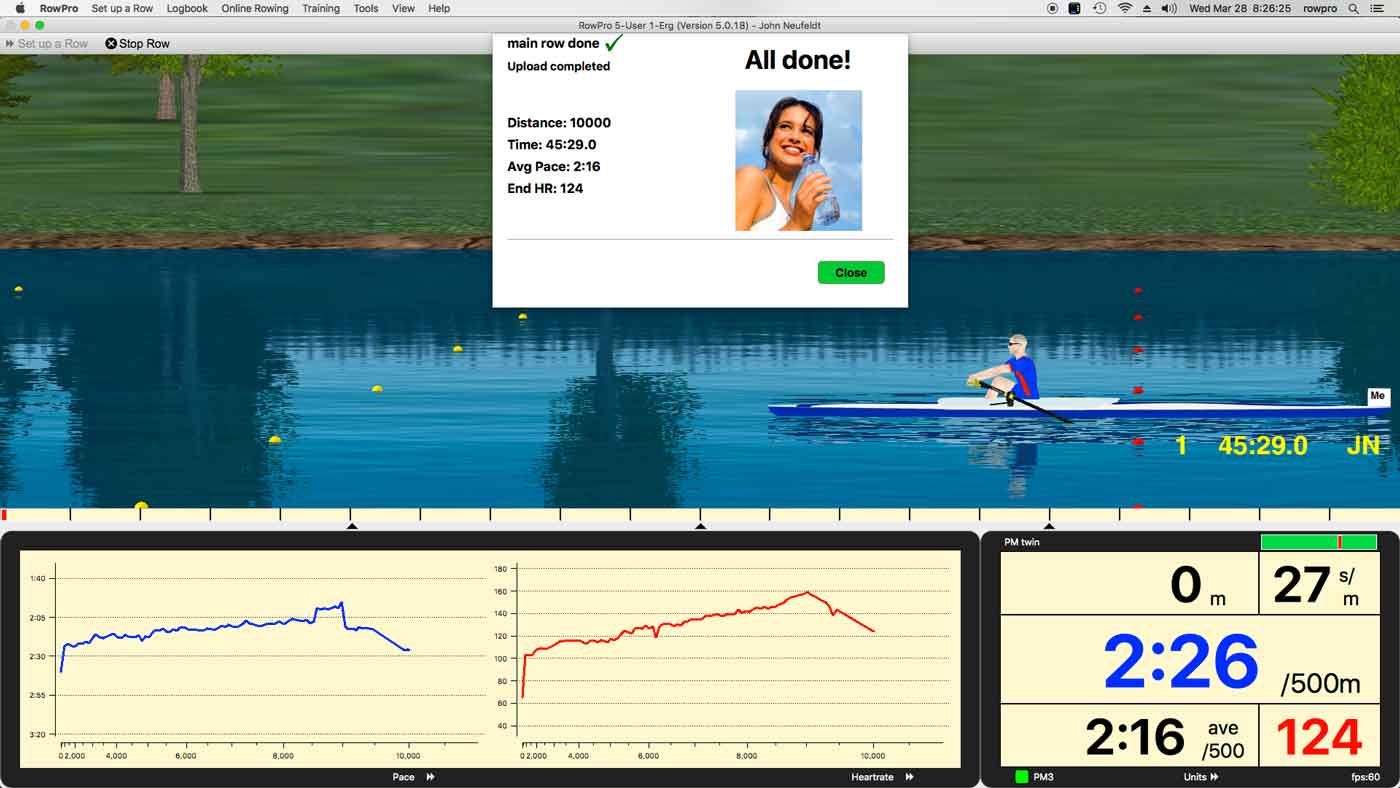
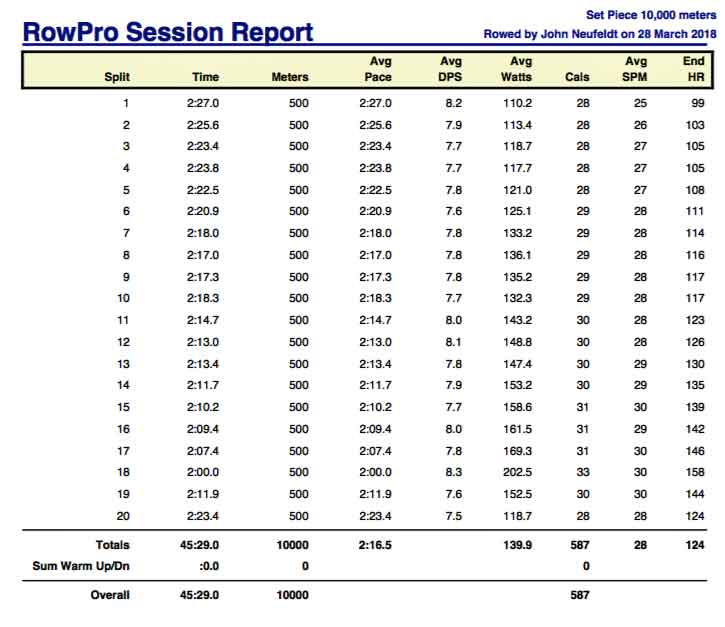
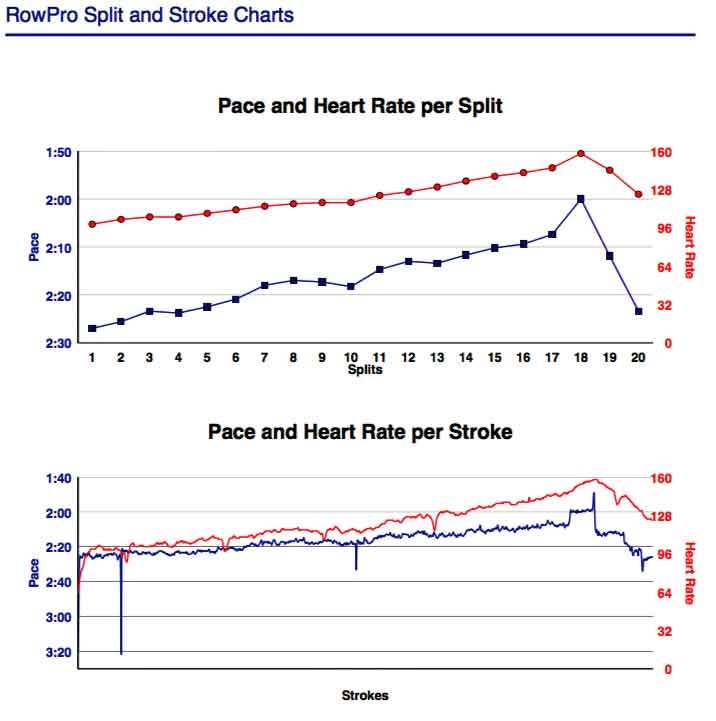
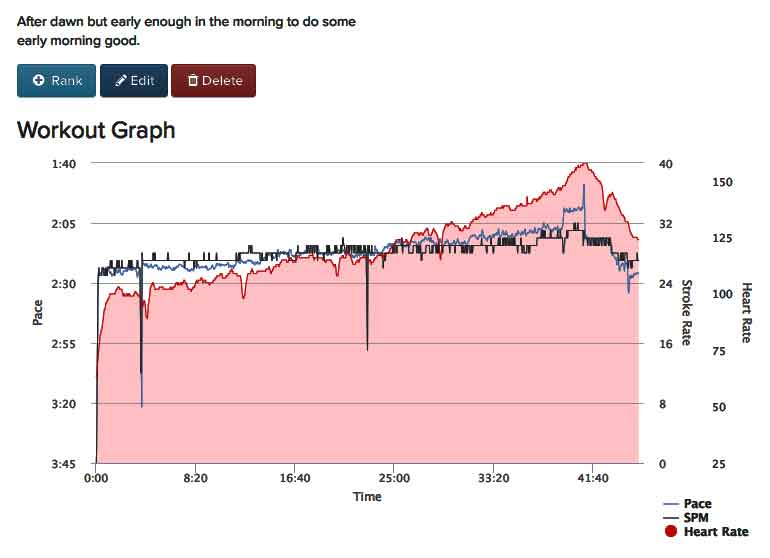
Today’s rowing session was another 10K. Smooth sailing all the way.
It was uploaded to YouTube as screen recording at this link: “Indoor Rowing 71 years old and another 10K 03282018”
Happy rowing to you.
Today’s rowing session was another 10K. Smooth sailing all the way.
It was uploaded to YouTube as screen recording at this link: “Indoor Rowing 71 years old and another 10K 03282018”
Happy rowing to you.
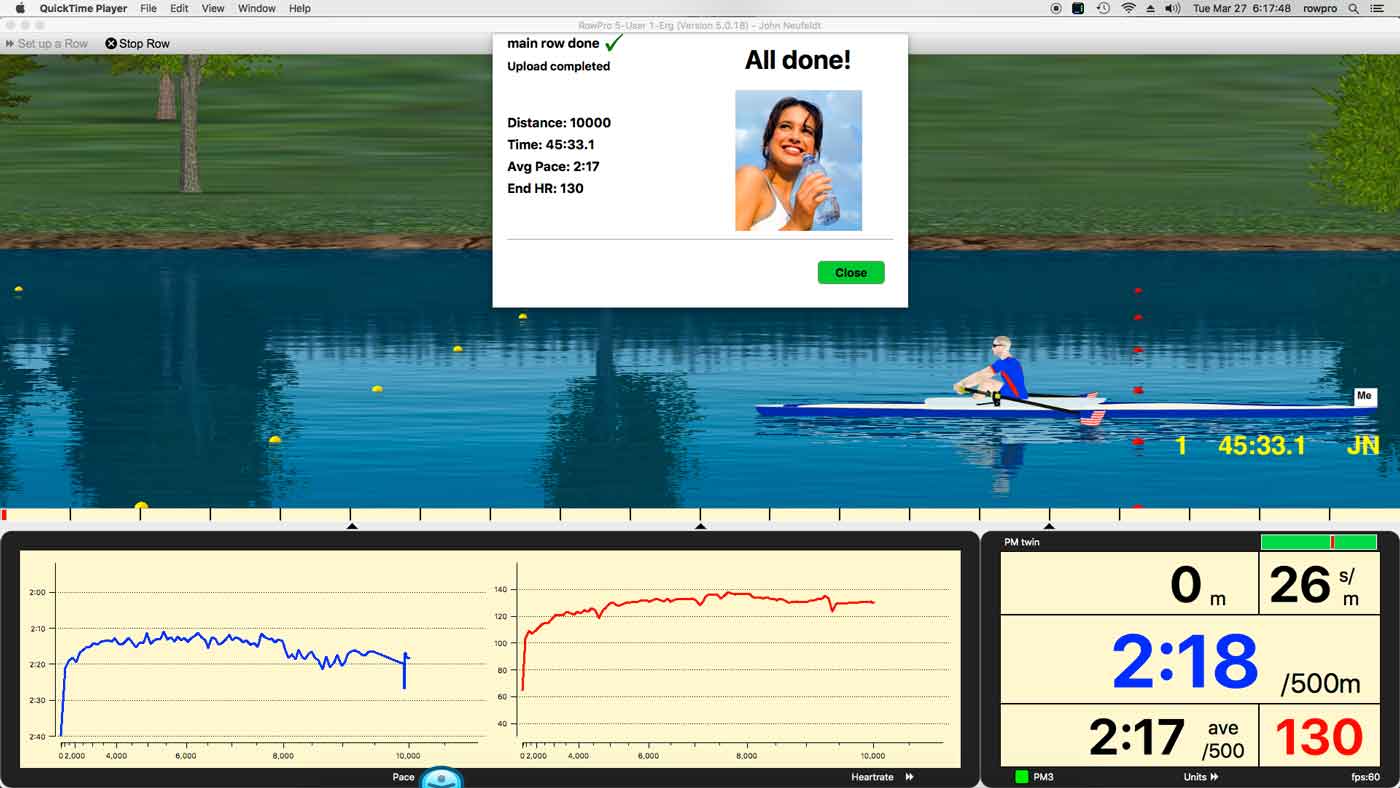
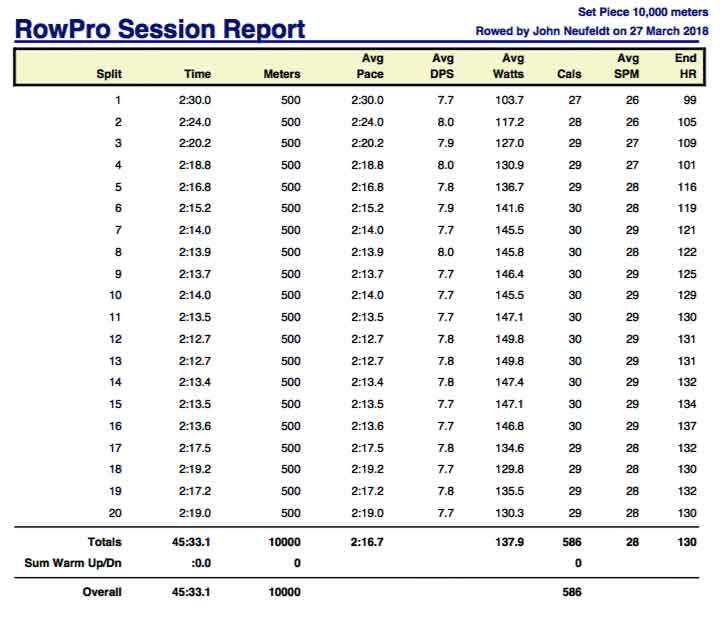
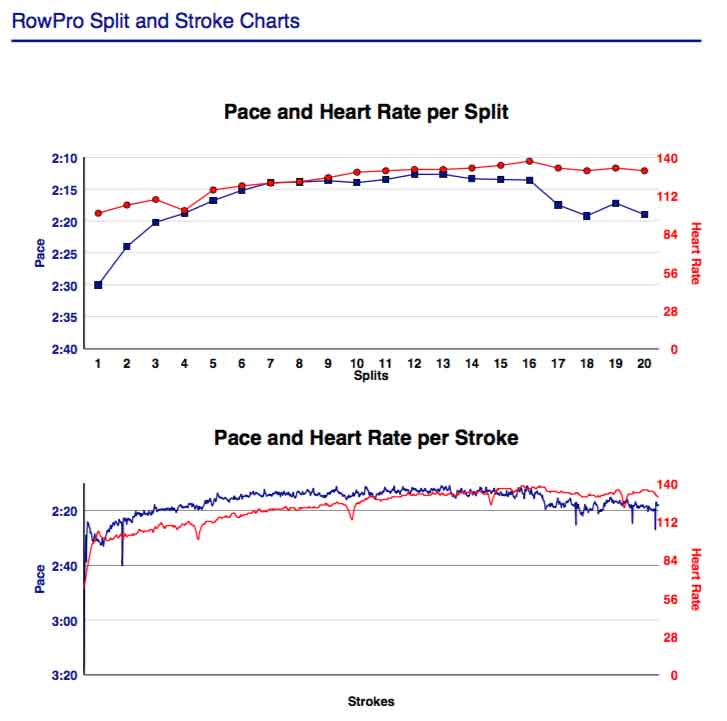
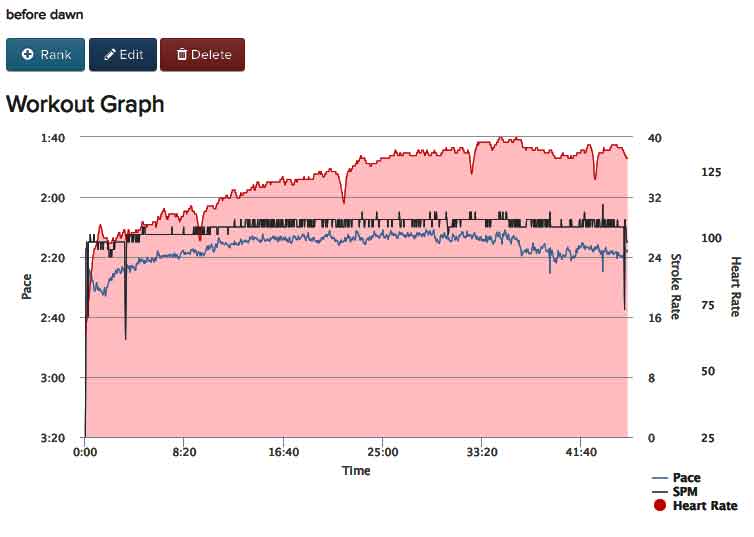
It was necessary to either row before dawn or not row at all today. Today’s session was 10K.
The session was uploaded to YouTube as a screen recording and is at the following link: “Indoor Rowing 71 years old 10K+ 03272018”
Happy rowing to you.
Don’t do what when running? Don’t keep your eyes closed, or you might crash into a tree or a cactus, etc.
But its okay to keep your eyes closed when using a rowing machine.
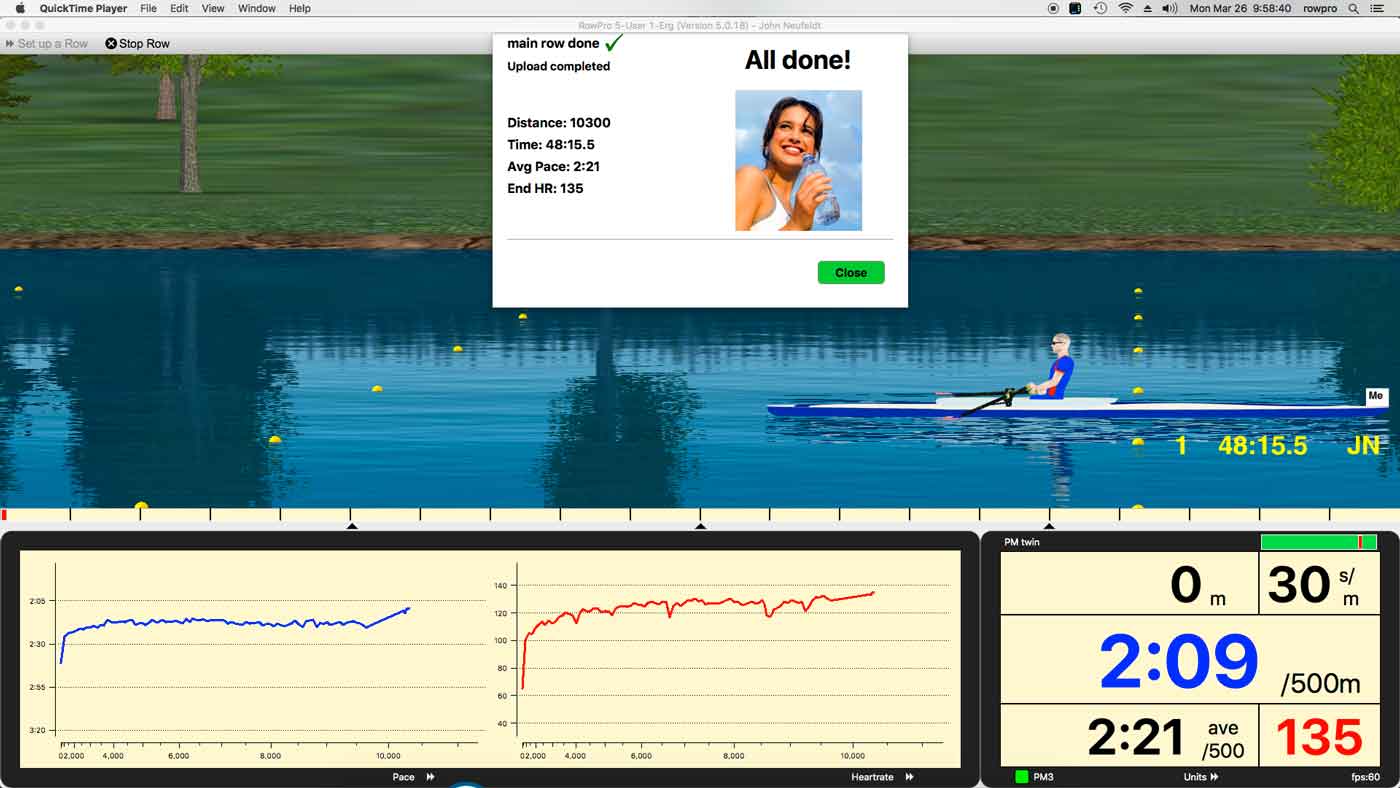
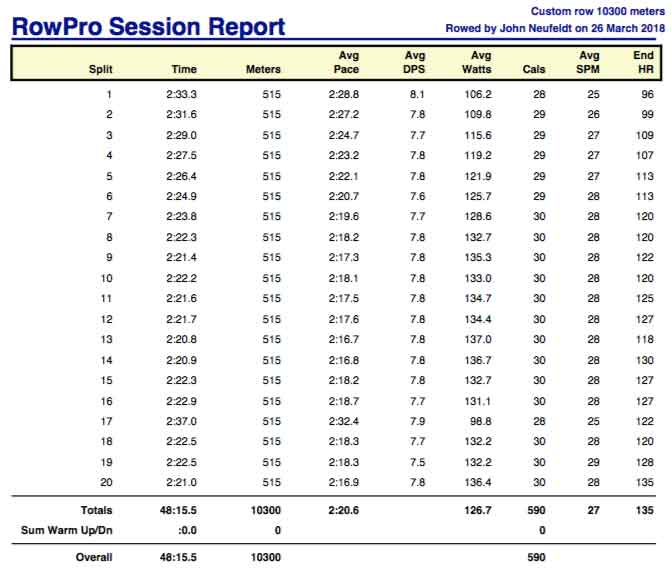
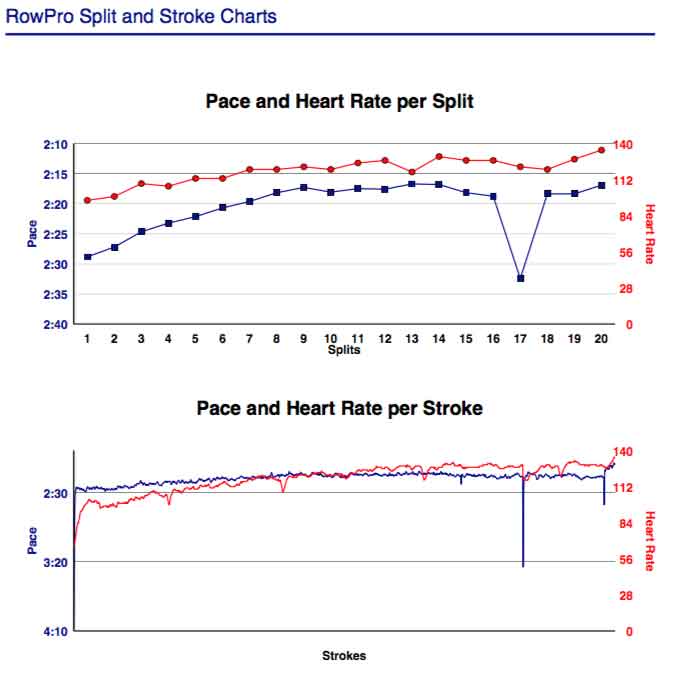
Which is what I did again today. At the beginning, I set a timer for 40 minutes and opened my eyes when it beeped. Then, I set the timer for another 7 minutes which took me almost to the finish with eyes closed.
The session was uploaded to YouTube as a screen recording at this link: “Indoor Rowing 71 years old Easier Than Yesterday 03262018”
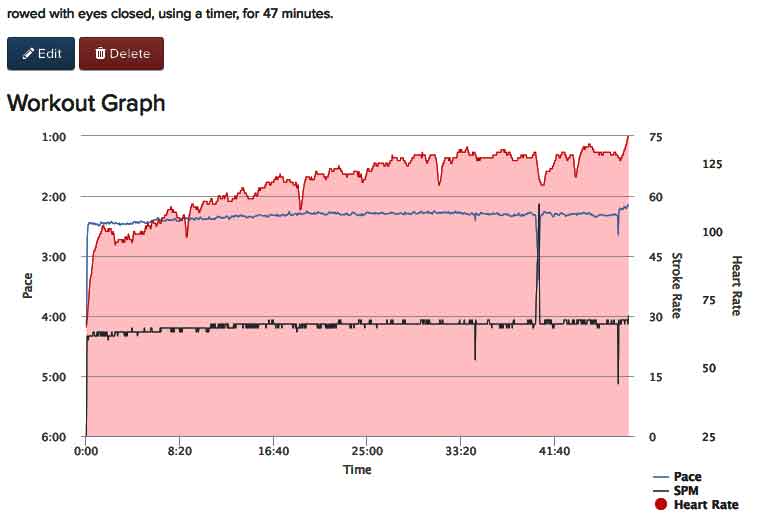
Happy rowing to you, whether your eyes are open or closed.
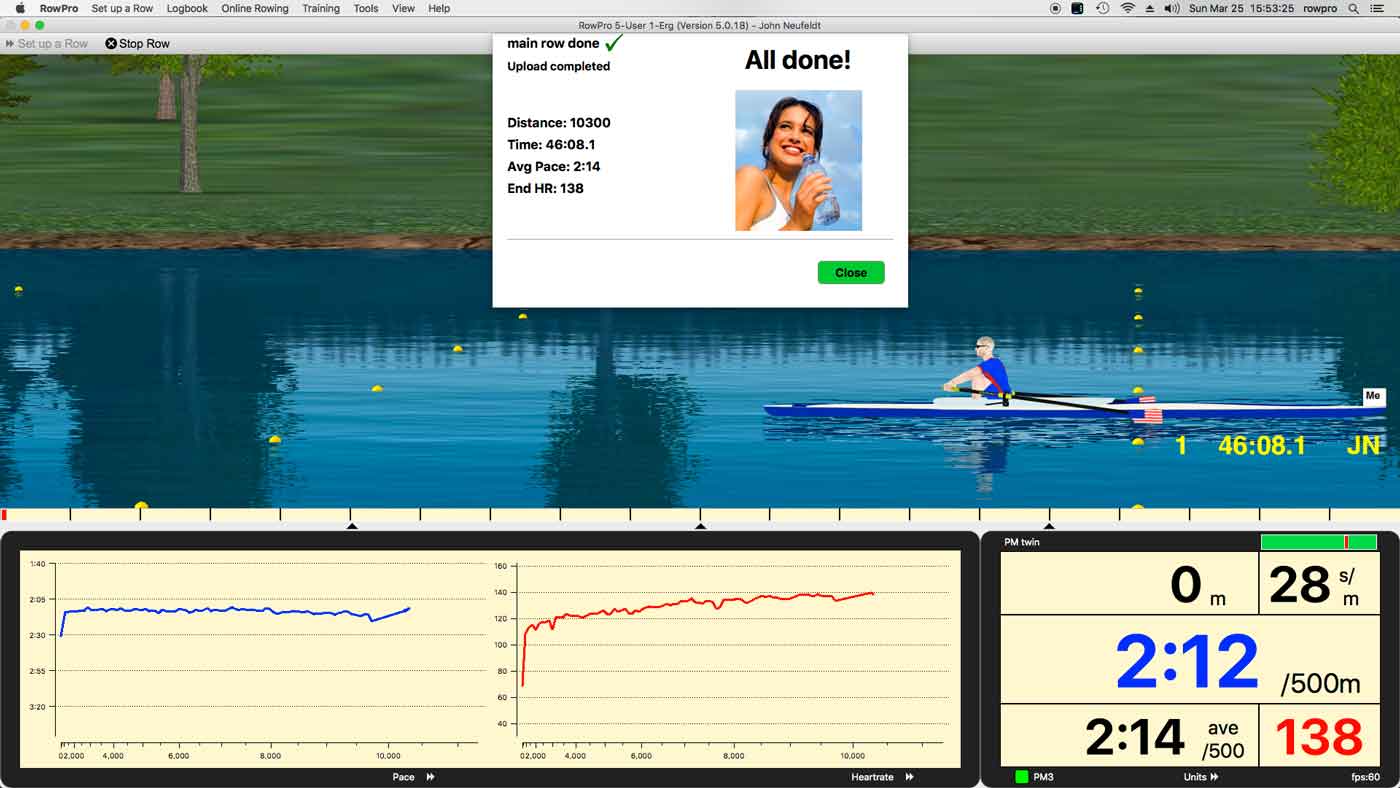
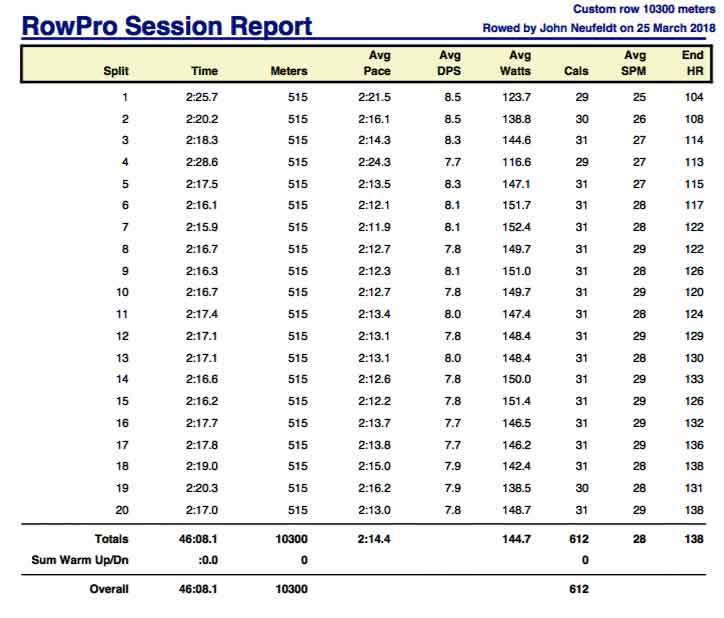
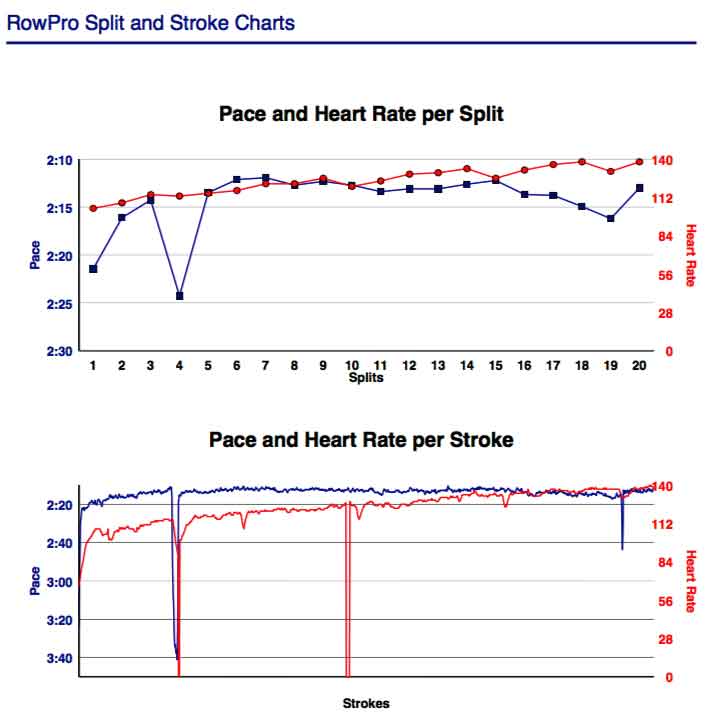
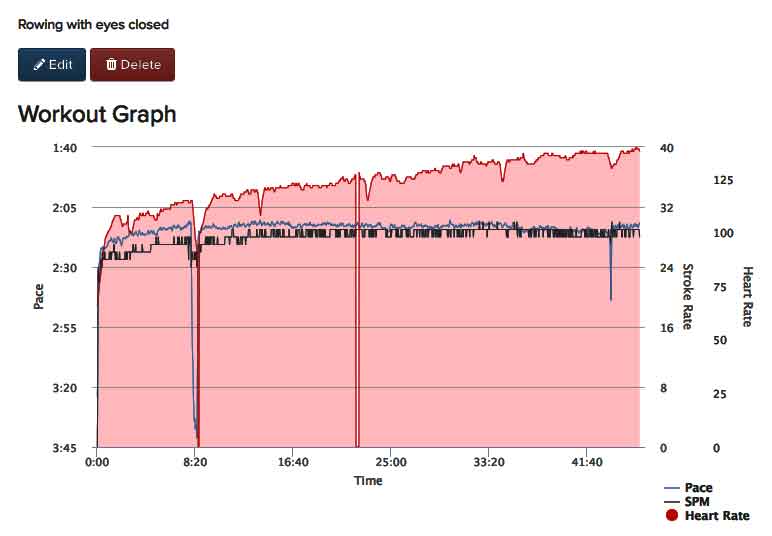
Today’s rowing session was 10,300 meters done with eyes closed while rowing at an effort level that felt good.
It’s available on YouTube as a screen recording at: “Indoor Rowing 71 years old Eyes Closed 03252018”
Happy rowing to you.
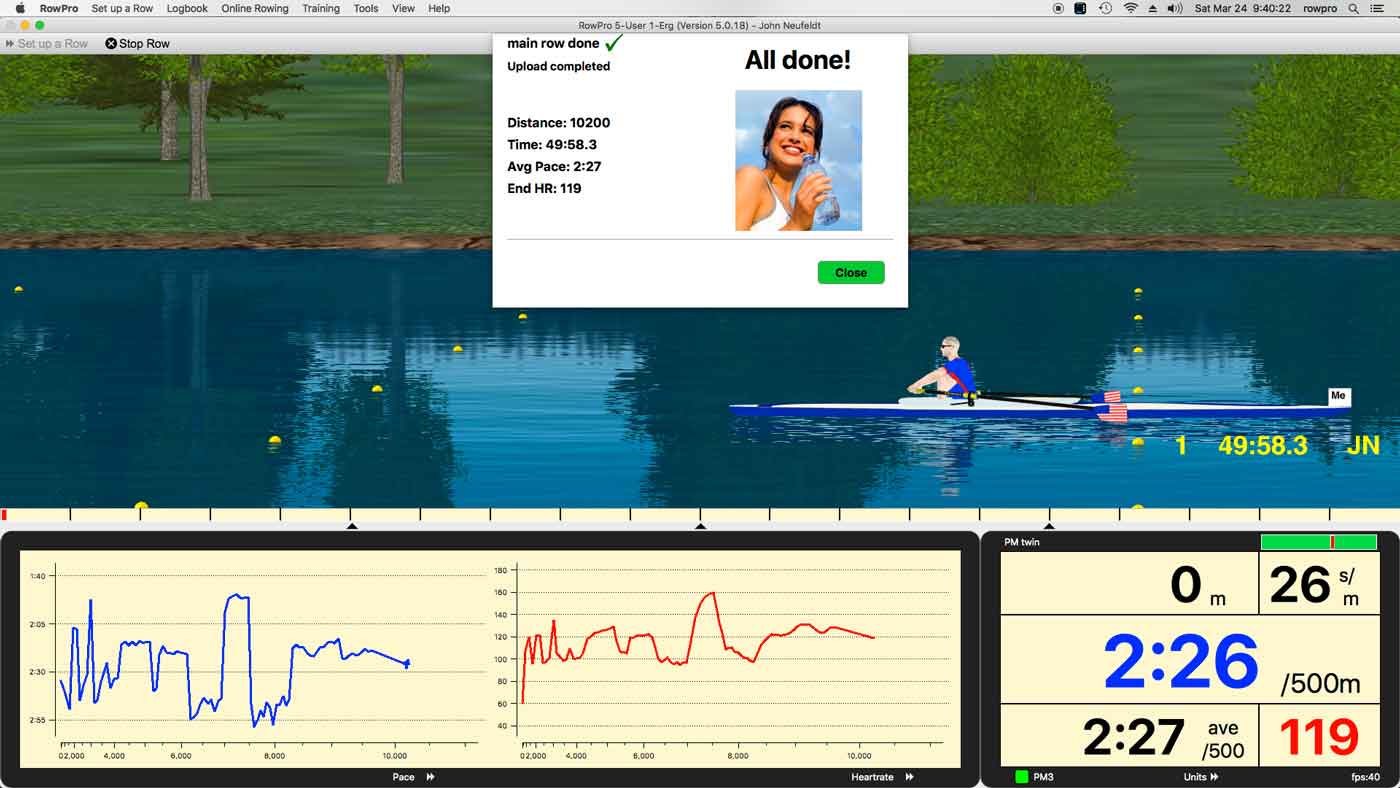
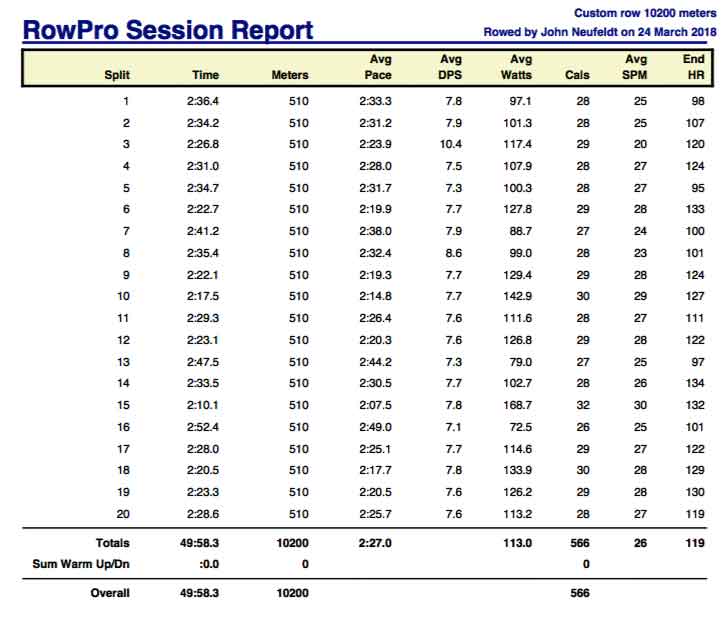
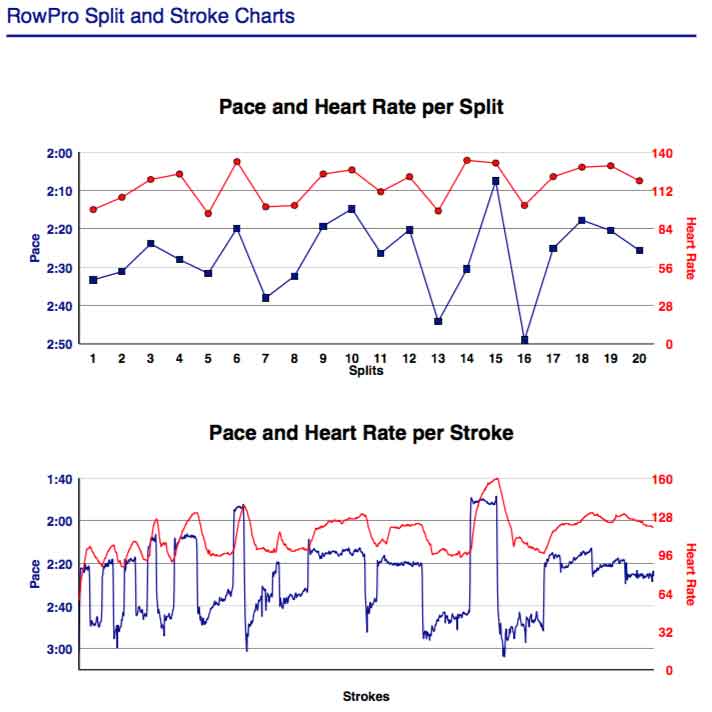
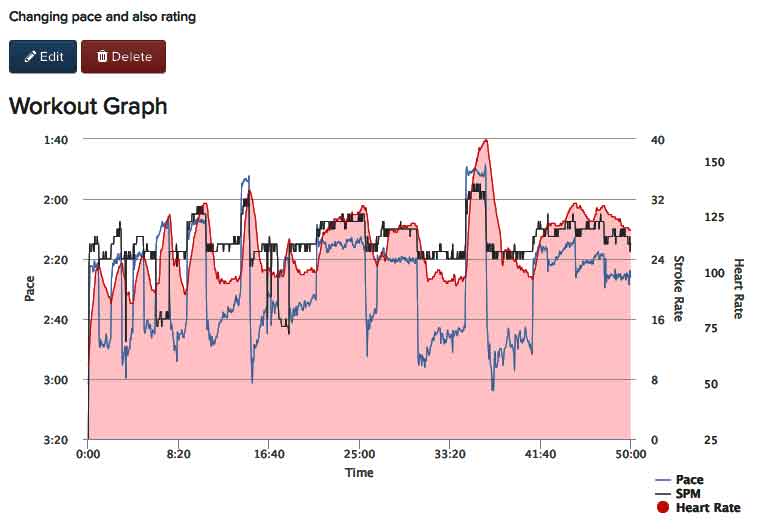
Today’s rowing session was 10,200 meters with a few changes of pace and rating throughout.
The session was uploaded to YouTube as a screen recording and can be found at the following link: “Indoor Rowing 71 years old A Change of Pace 03242018”
Happy rowing to you.
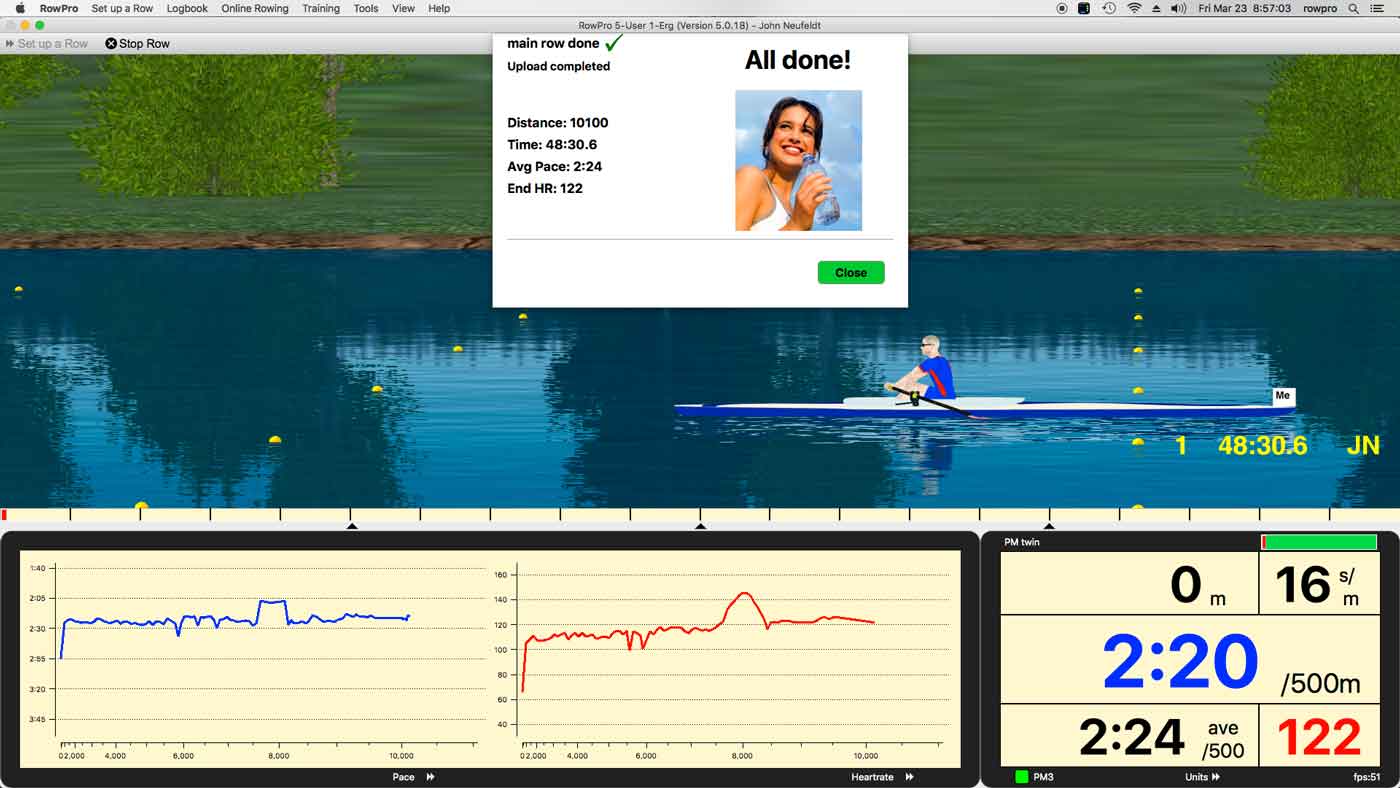
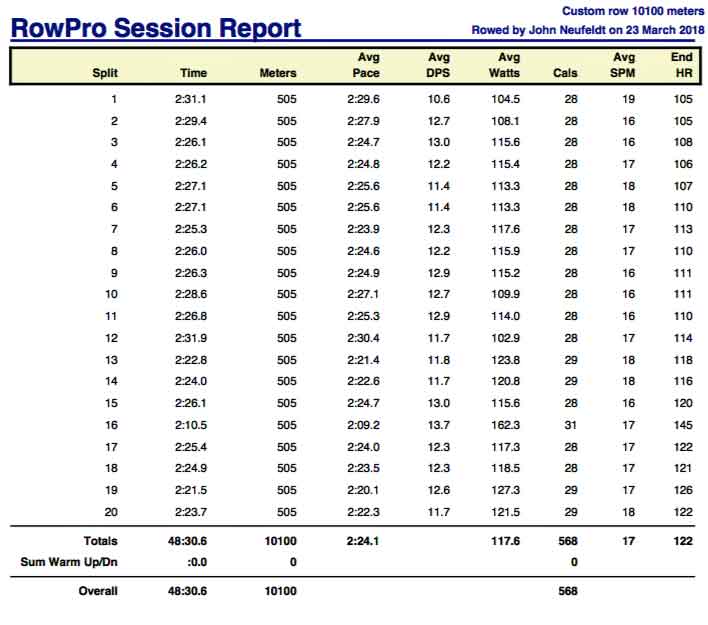
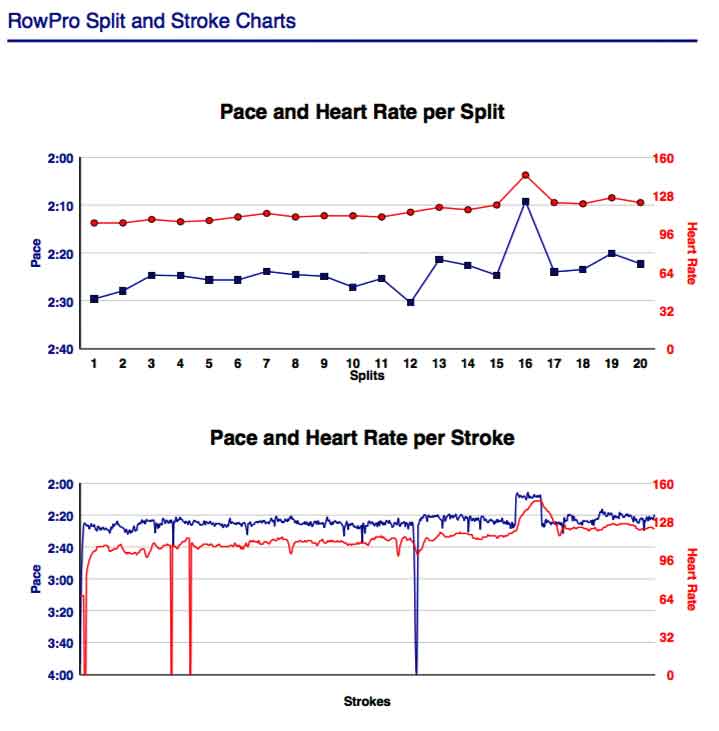
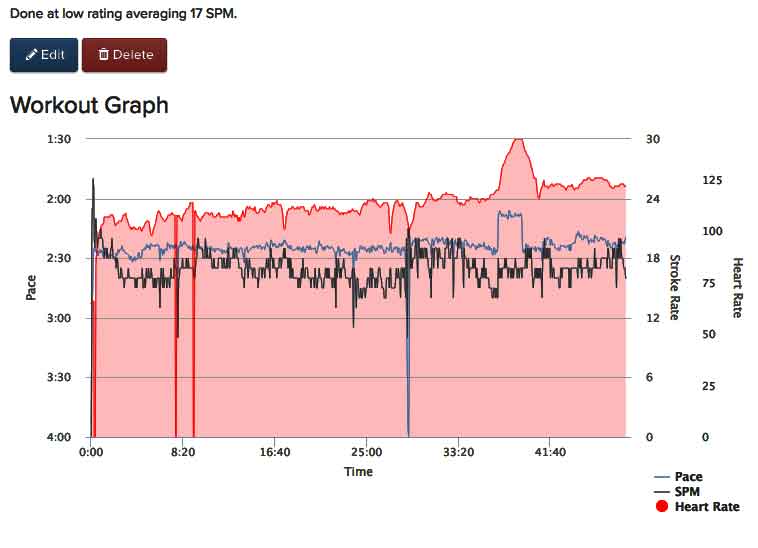
Today’s indoor rowing was done at a low rating which worked out to be an average of about 17 strokes per minute for the entire distance. Rowing at a low rating is highly rated in the sense that it is supposed to be a good activity for improving strength.
The session was uploaded to YouTube and is available as a screen recording at the following link: “Indoor Rowing 71 Years Old 10100 meters 03232018”
Happy rowing to you.
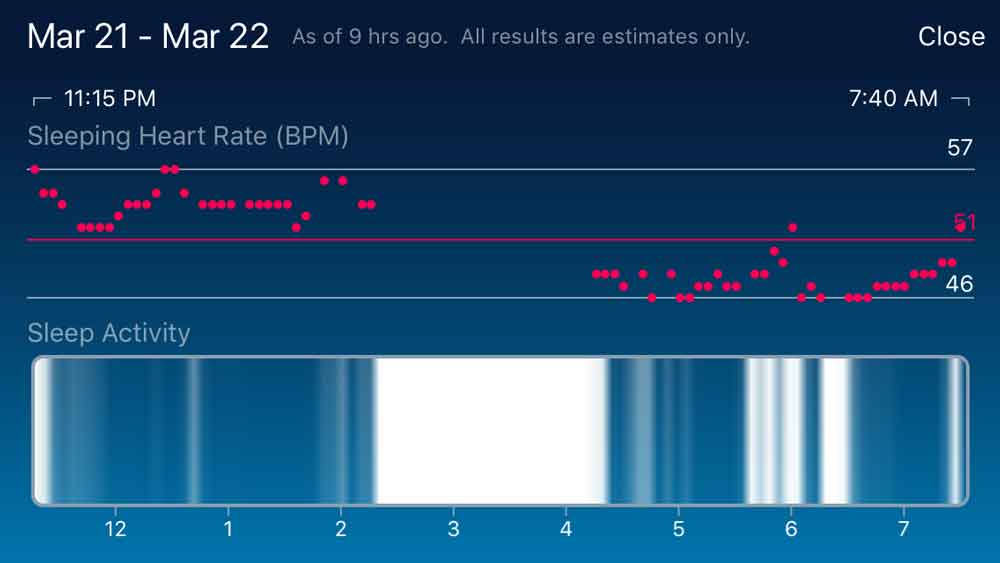
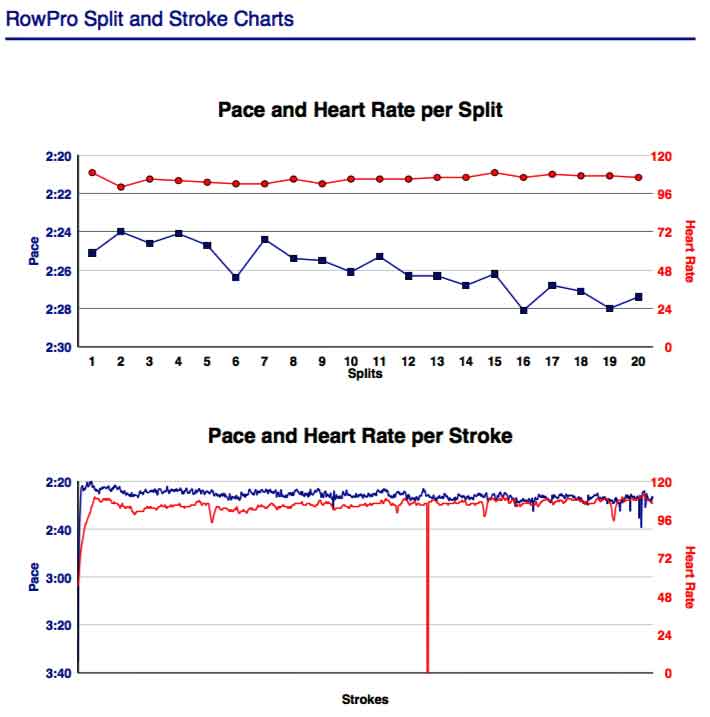
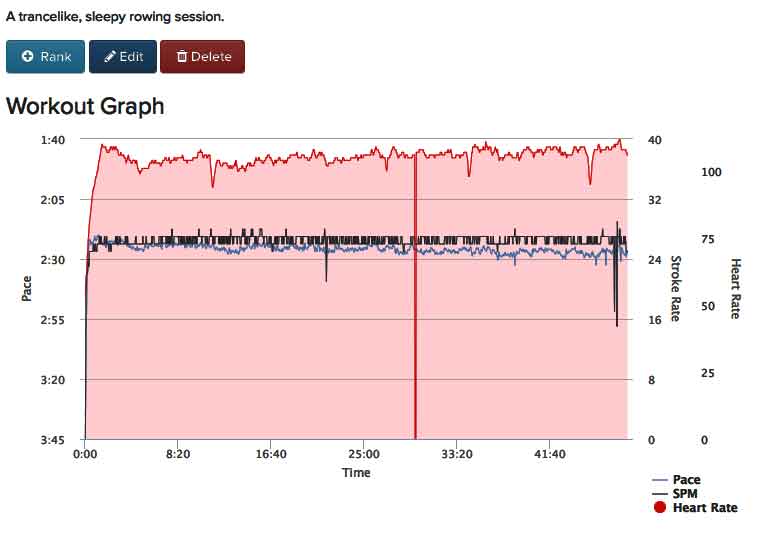
I was probably actually awake during this morning’s 10K session, but it was a trance-like state.
When the alarm went off this morning at 7:40, I had been sleeping very deeply. I went to the rowing machine as soon as possible, to row another 10K for the Concept 2 March challenge.
It felt like I was asleep with my eyes open, when I started rowing. I let the rowing effort be what felt best and the result was a breezy, trance-like rowing experience. It was “breezy”, each time a stroke was finished and the seat reversed its direction of movement on the rail. Each reversal of direction to switch from drive to recovery provided a gentle, caressing breeze. That and the relatively slow movements all added up to a dreamy, caressed-with-sleep experience with each stroke.
In one sense of the word, it could be described as a “romantic” experience. In the same sense, that is, in which some distance and ultra-distance runners have described their individual running experience as “romantic”.
As one song says, “…life is but a dream”…
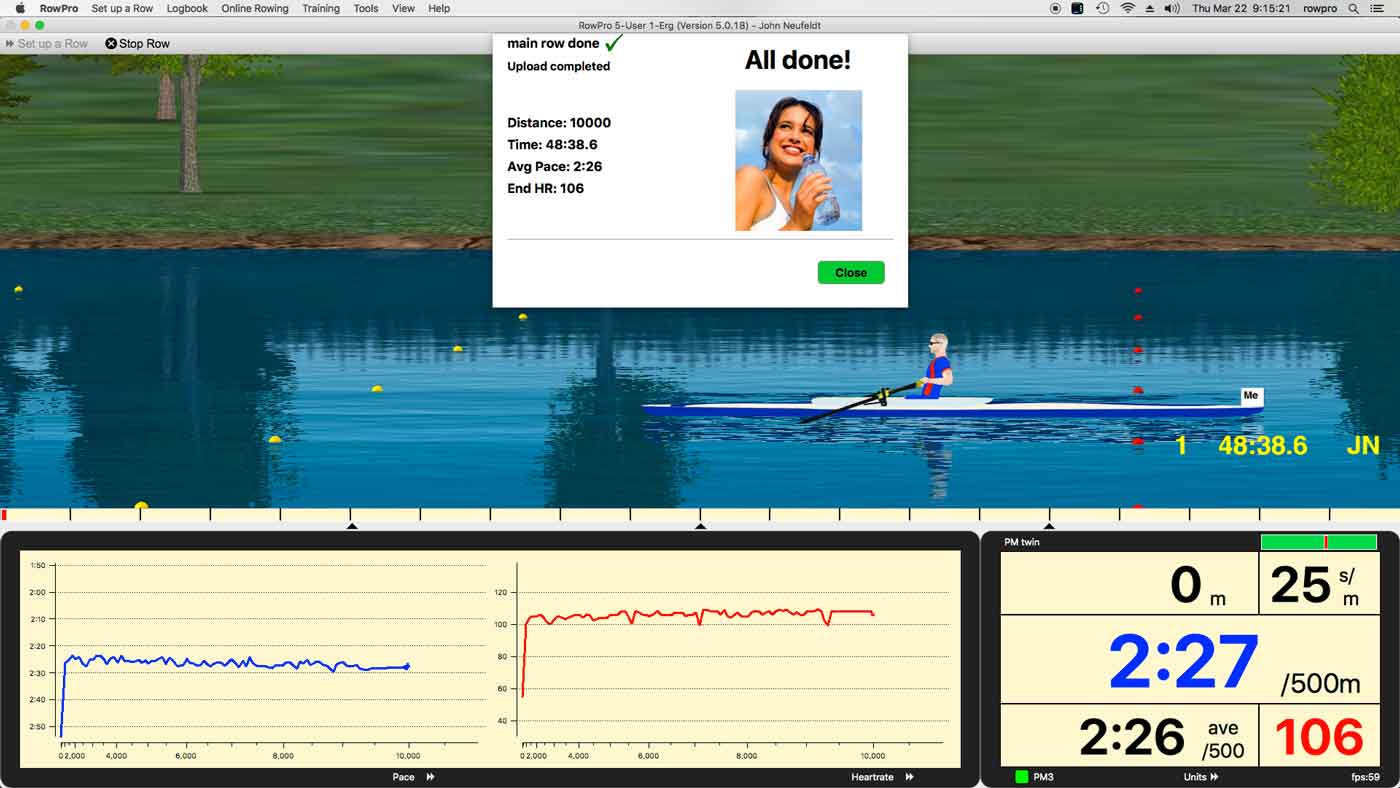
Today’s rowing session was uploaded to YouTube as a screen recording and can be accessed at the following link: “Indoor Rowing 71 years old Rowing While Sleeping 03222018”
Happy rowing to you.
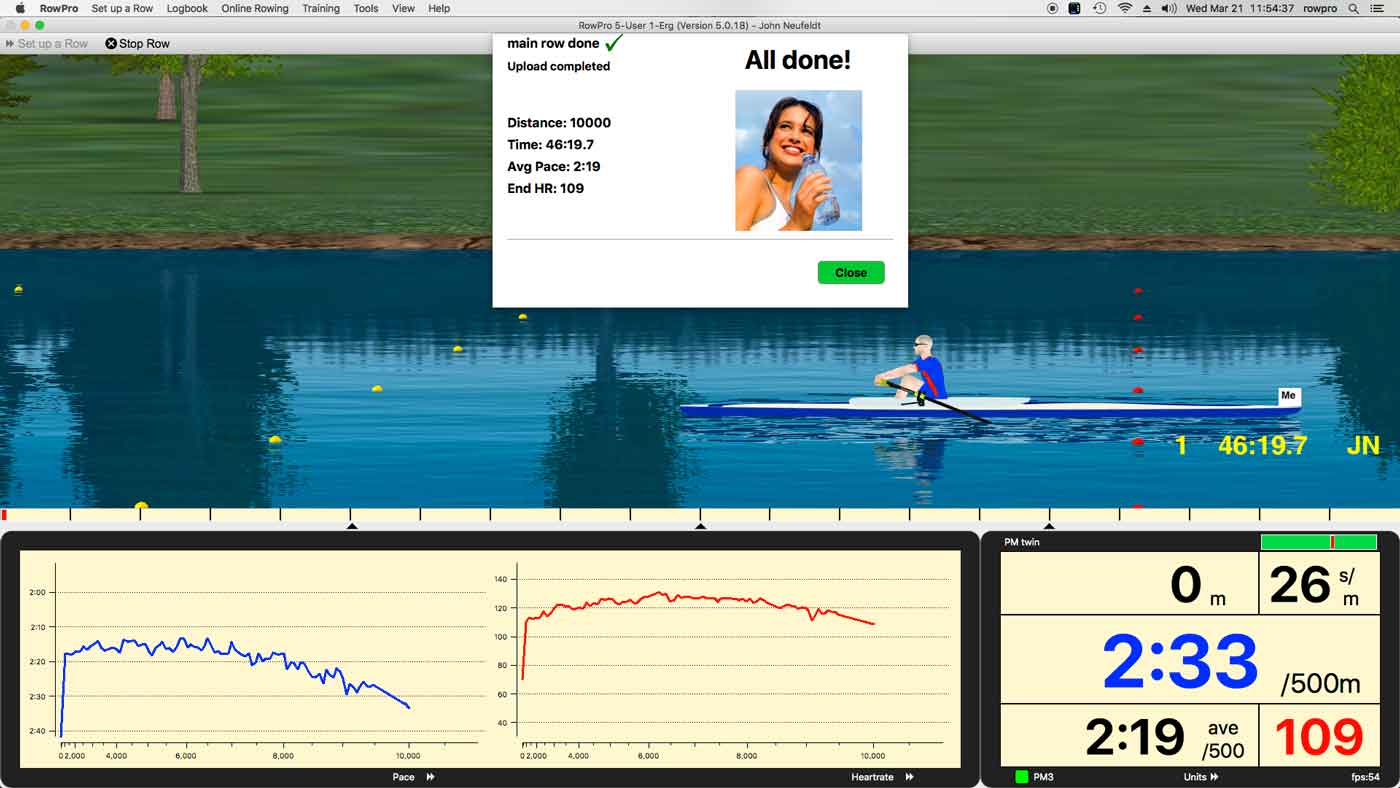
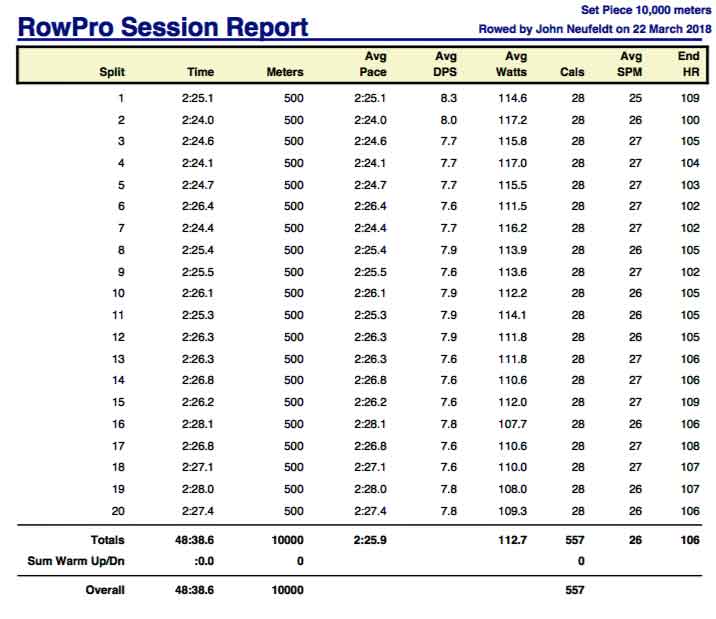
To say it another way, the rowing chart of a well-behaved heart is not messy, like the charts for yesterday’s session, with all the gaps and vertical lines for every time the heart rate was too irregular to be measured by the heart strap.
And yes, today’s rowing session was unblemished by irregularity or tachycardia of any sort.
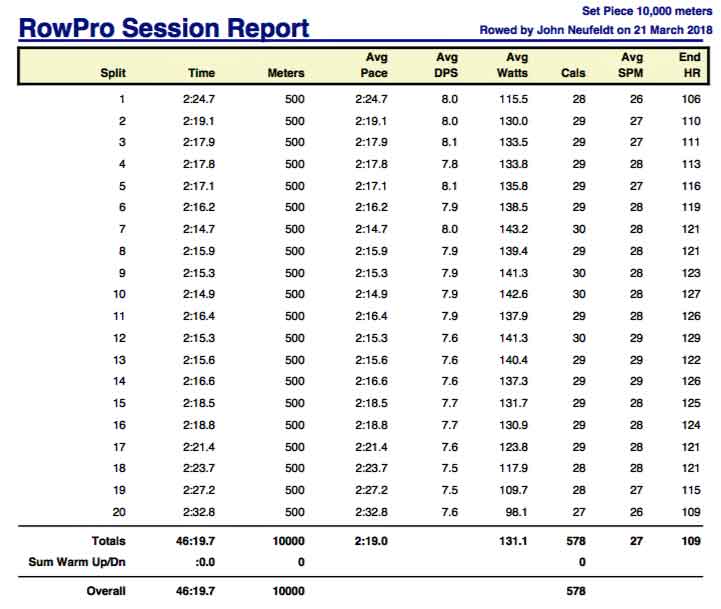
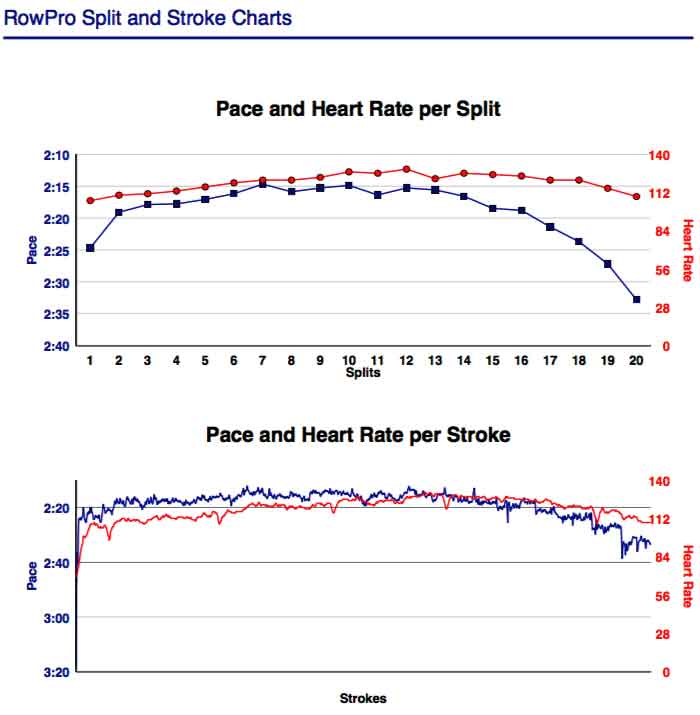
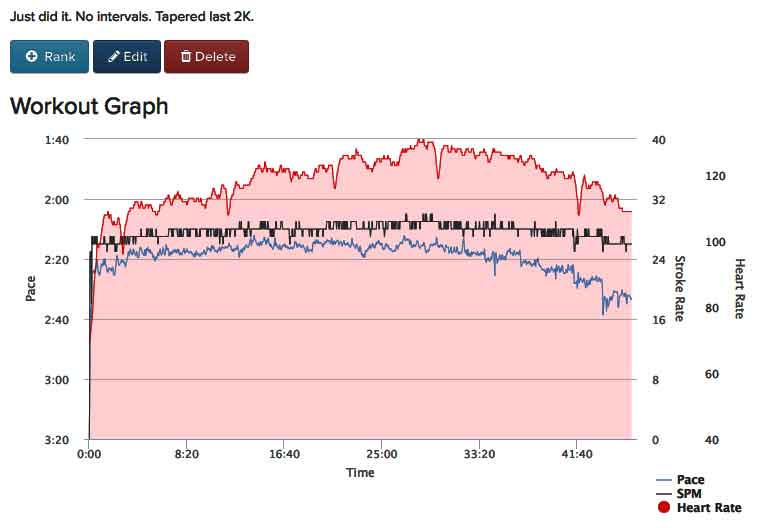
Today started a bit late and so when I was able to get to the rowing machine, I was in a “just do it” frame of mind. The 10K was done at an easy pace, slightly increasing for most of the session and then it tapered during the last part, especially the last 2K which served as a warm down.
The session was uploaded to YouTube and is available as a screen recording at the following link: “Indoor Rowing 71 years old 10K Tapered 03212018”
Happy rowing to you. Just do it.
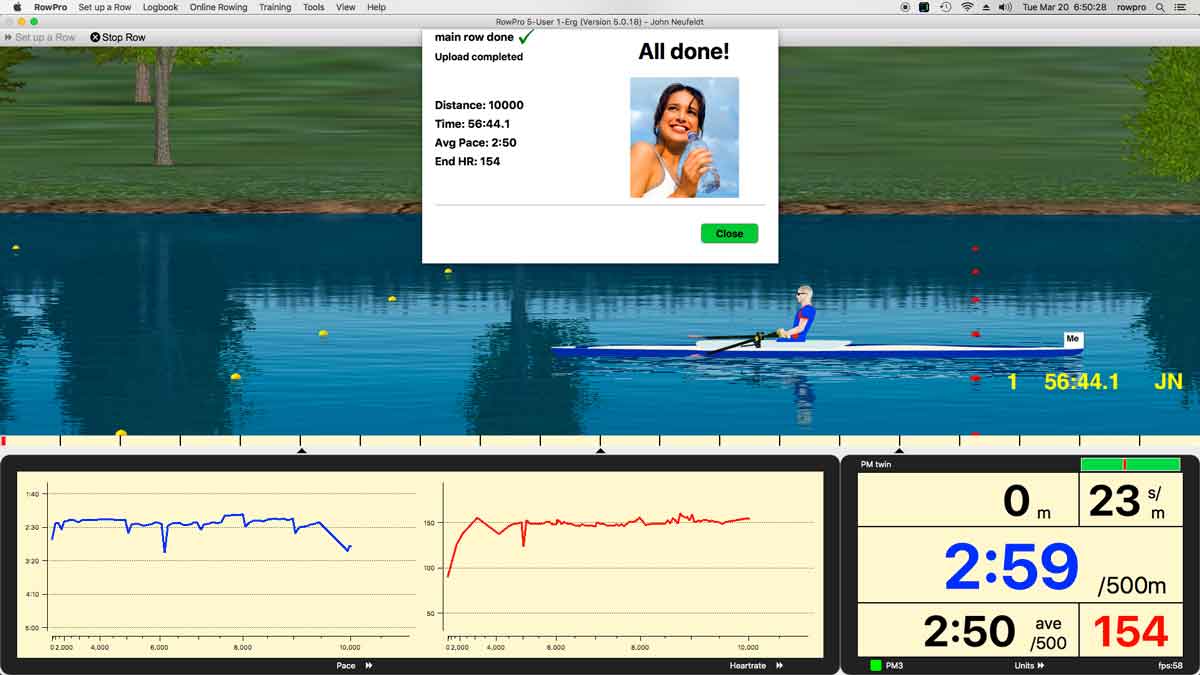
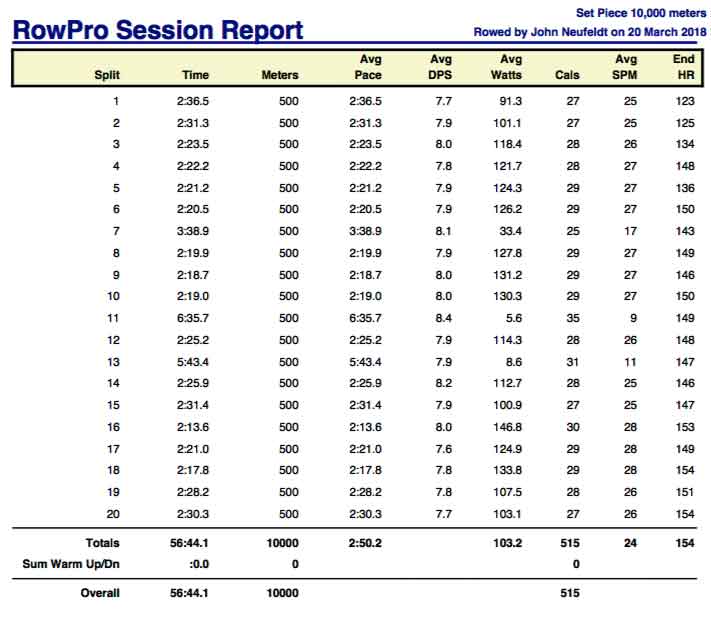
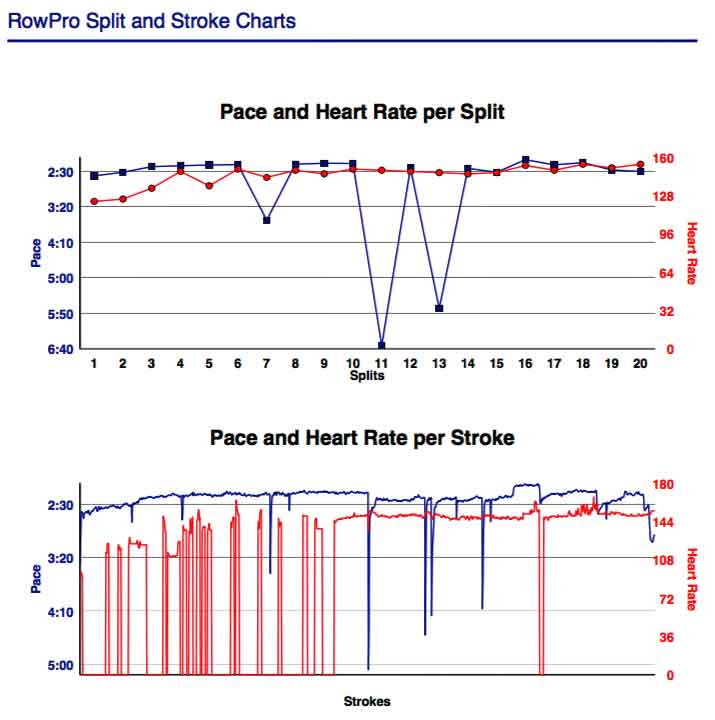
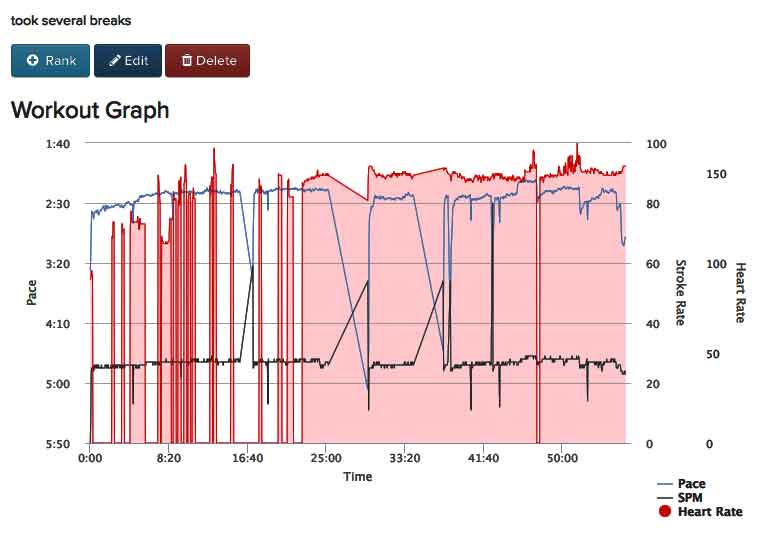
Today’s indoor rowing session was early morning to get it out of the way before a busy day. There was a problem: The heart, that necessary nuisance, wasn’t cooperating again. It was so irregular that many times the heart strap couldn’t track it and the HR display would go blank. When it was regular, it was beating way too fast for the effort level.
I didn’t find anything to stimulate the evacuation of that problem so the session was simply finished at a very slow pace. Extremely slow. But the 10K was done and another day can be checked off towards fulfillment of one of the current Concept 2 challenges, which requires at least 25 days of minimum (either 5K or 10K per day) rowing. I opted for doing 10K per day for 25 days this month.
The session was uploaded to YouTube as a screen recording and is available at the following link: “Indoor Rowing 71 years old 10K with breaks 03202018”
Happy rowing to you.
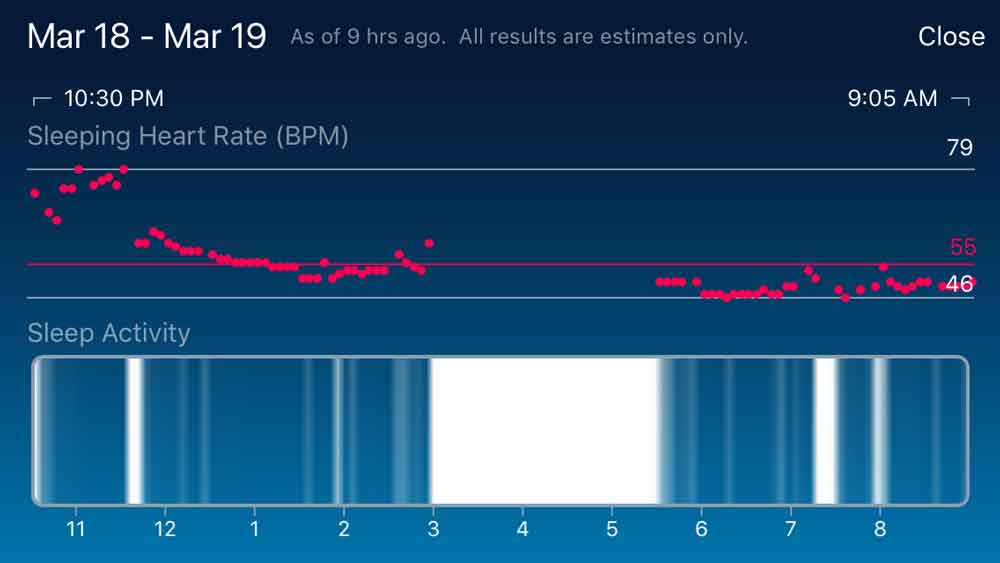
Yesterday’s general plan for today’s indoor rowing was to do it first thing in the morning, before even having breakfast. But a bout of insomnia which lasted from 3 to 5:30 a.m. made everything later.
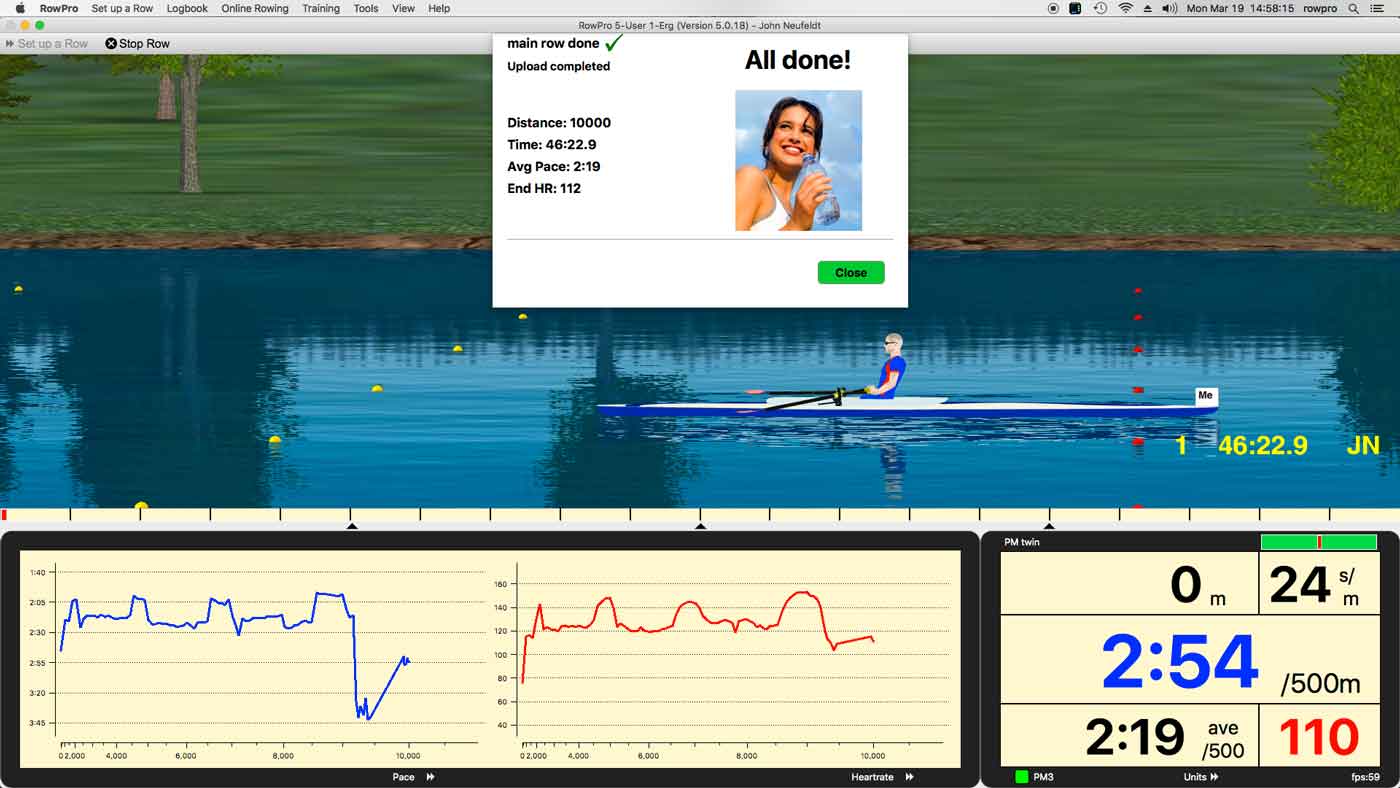
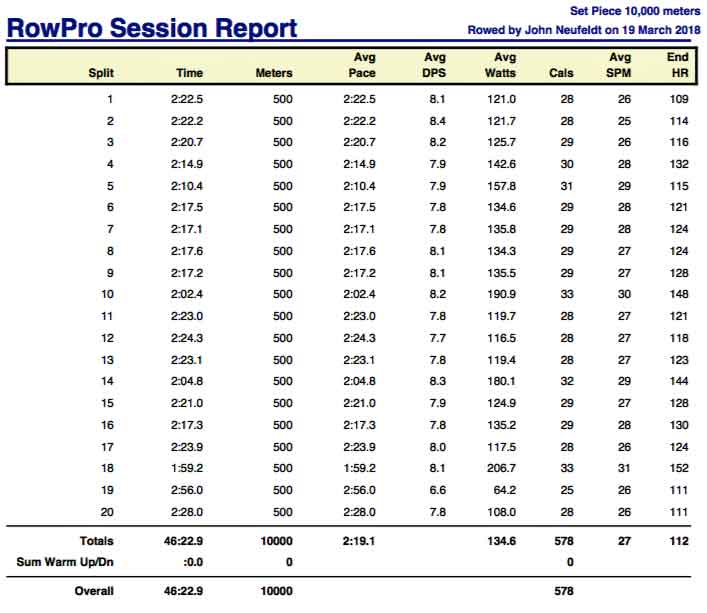
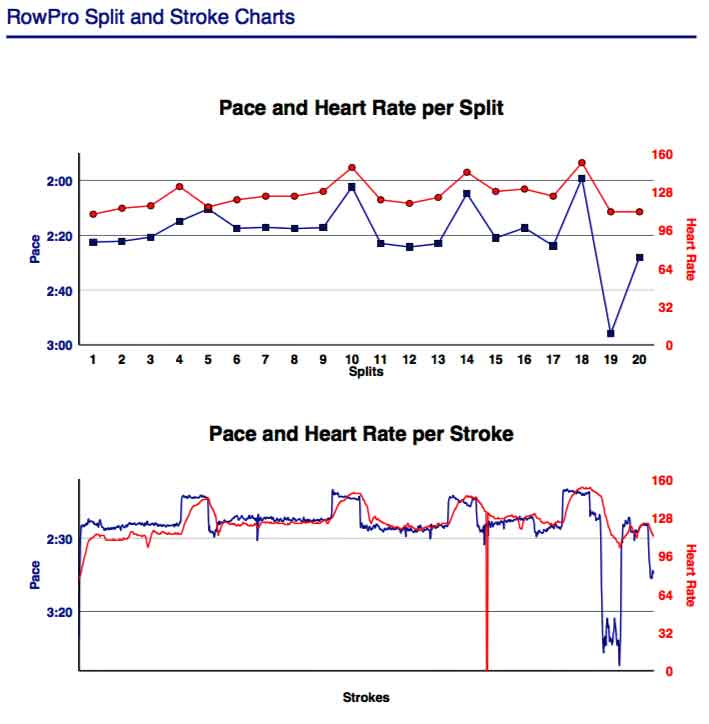
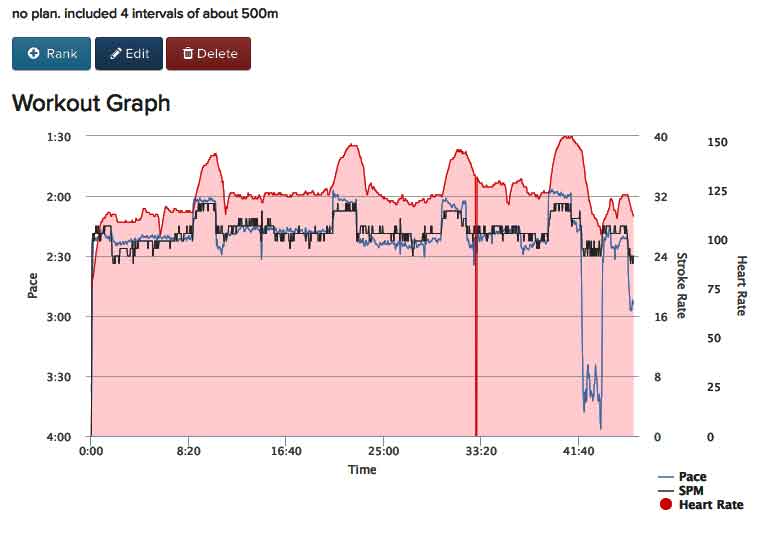
Today’s rowing was done in the mid afternoon. It was 10,000 meters at an easy pace with 4 intervals of 500 meters each at a moderately hard pace.
The rowing session was uploaded to YouTube as a screen recording and can be viewed at the following link: “Indoor Rowing 71 Years Old 10K 03192018“.
Happy rowing and insomnia-free sleeping to you.